Water damage risks for older homes in Jonesboro Historic District
Older homes in Jonesboro Historic District face water damage risks from aging galvanized pipes, clay sewer lines, and original construction. Here's what to watch for.
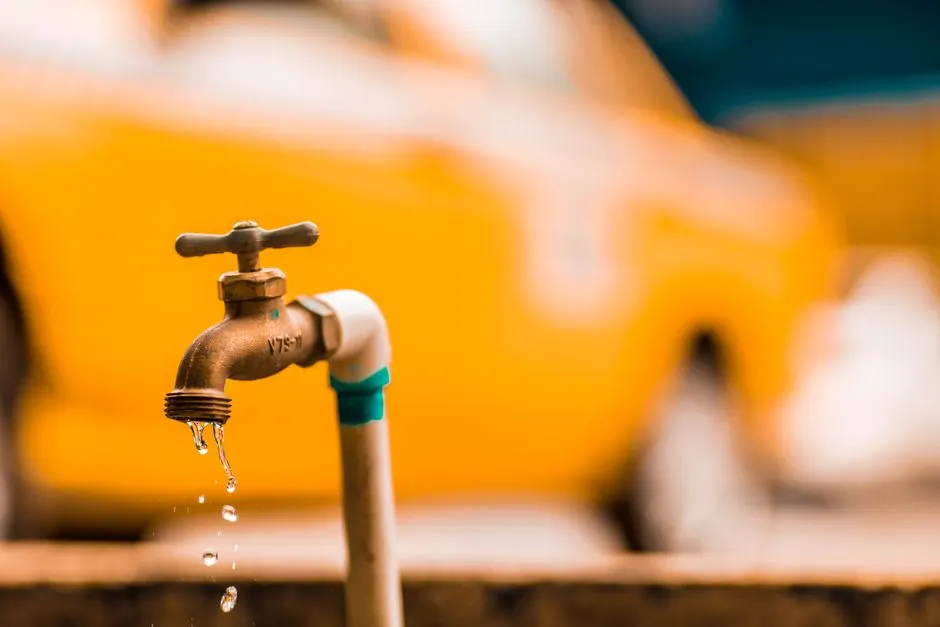
The biggest water damage risks for older homes in Jonesboro Historic District come from the pipes, drains, and waterproofing systems that were installed when these houses were built - many of them between the 1890s and the 1950s. Galvanized steel supply lines corrode from the inside out, clay sewer tiles crack and shift, and original roof flashing fails quietly for years before you see a stain on the ceiling. Water damage risks older homes Jonesboro Historic District homeowners face are not the same as what you would find in a 2015 subdivision off Tara Boulevard.
This article breaks down exactly what fails first in these houses, how to spot it before it becomes a $12,000 repair, and when it makes more sense to call a restoration crew than to keep patching things yourself.
Why older homes in Jonesboro Historic District face higher water damage risk
Jonesboro Historic District contains some of the oldest housing stock in Clayton County, and the building materials used in those homes were never designed to last 100 years. The original galvanized steel pipes that were standard in the 1920s through the 1940s have a realistic lifespan of 40 to 50 years. Most of them are now on their second or third generation of failure.
These pipes corrode from the inside. The water pressure drops, the water turns slightly brown, and then one cold morning in January the pipe splits behind a wall. We see this pattern every winter in Jonesboro - a homeowner wakes up to a wet floor and has no idea the pipe was even close to failing.
Clay sewer laterals are the other big one. Before PVC became standard in the 1970s, sewer lines were made from vitrified clay tile. Tree roots find the joints, push through, and over 20 or 30 years the line collapses. You get slow drains, then backups, then sewage on the basement floor.
If you own one of these homes and want a crew that knows how they are built, our Water Damage Restoration Jonesboro GA team has worked on houses in this district for years. We know where the problems hide.
The most common water damage risks in older Jonesboro homes
After enough calls in the Historic District, the same five or six problems show up over and over. Here is what we find most often, ranked by how much damage they cause when they finally let go.
1. Galvanized steel supply lines
These are the number one source of hidden water damage in older Jonesboro homes. The pipes rust from the inside, and by the time you notice reduced water pressure or rusty water, the wall of the pipe is paper thin. A pinhole leak behind a kitchen wall can soak insulation and drywall for weeks before it shows.
2. Clay sewer laterals and root intrusion
If your home was built before 1975, there is a good chance you still have clay sewer tiles running from the house to the city main. Roots from the mature oaks and pecans that line many Historic District streets find those joints and exploit them. A sewer backup in a finished basement is one of the most expensive water damage events we handle.
3. Original roof flashing and chimney seals
Flashing around chimneys and dormers was often made from materials that have long since failed. A slow roof leak during a summer thunderstorm can drip into the attic for months before you see a ceiling stain. By then, the decking and insulation are saturated.
When we find roof leaks, we handle the roof leak water damage repair Jonesboro GA work - drying the attic, treating any mold, and making sure the structure is sound before the roofer closes it up.
4. Cast iron drain lines under the slab
Cast iron drains rust through from the bottom. A slab leak in a 1950s ranch house in Jonesboro can run for weeks before you notice the water bill. By then, the slab is saturated and the flooring is ruined.
5. Poor original waterproofing
Homes built before modern building codes had no vapor barrier, no French drain, and often no gutter system that moves water far enough from the foundation. Every heavy rain pushes water against the foundation, and it finds its way in.
6. Window and door penetrations
Wood-framed windows in historic homes swell and shrink with the seasons. The caulk fails, water gets behind the trim, and the framing rots. This is slow damage, but it is relentless.
How do I protect my historic Jonesboro home from water damage?
You do not need to rip out every pipe and start over. You need a plan that prioritizes the failures most likely to happen in the next 12 months and addresses them before they cause damage.
Start with a professional inspection of your supply lines and sewer lateral. A plumber with a camera can tell you in 30 minutes whether your clay sewer line is cracked or root-infested. That single inspection can save you a $15,000 basement flood.
Next, install water leak detectors. A $40 sensor under the water heater or behind the washing machine will alert you the moment water appears. In a house with galvanized pipes, that early warning is the difference between a $500 repair and a $5,000 one.
Then, address drainage. Clean your gutters twice a year. Extend downspouts at least 6 feet from the foundation. If your yard slopes toward the house, regrade it. These are cheap fixes that prevent thousands in foundation and basement water damage.
Finally, if you have a finished basement or a crawlspace, consider a sump pump with a battery backup. Jonesboro gets heavy summer thunderstorms, and power outages during those storms are common. A battery backup keeps the pump running when you need it most.
For homes in the Historic District specifically, our Water Damage Restoration in Jonesboro Historic District team can walk your property and give you a written priority list. We know which houses on which streets have the worst pipe problems.
What to watch out for: common mistakes homeowners make
The most expensive water damage calls we run are almost always the result of one of these mistakes. Avoiding them can save you thousands.
- Ignoring a slow drain. A drain that takes 30 seconds longer to empty than it did last year is telling you something. Roots or a partial collapse are already happening.
- Painting over water stains. A ceiling stain is a symptom. If you paint over it without finding the source, the leak continues and the damage grows behind the paint.
- Using chemical drain cleaners on old pipes. Those products generate heat and can crack clay or corroded metal. They also do nothing for root intrusion.
- Waiting until spring to fix a winter leak. A pipe that froze and split in January will leak every time you use the water. Waiting three months means three months of hidden moisture and mold growth.
- Assuming insurance will cover everything. Many policies exclude damage from gradual leaks or lack of maintenance. If your pipe has been corroding for 20 years, the insurer may call it a maintenance issue.
If you have already found water where it should not be, do not wait. Call a restoration company the same day. Mold can start growing in 24 to 48 hours, and the difference between a dry-out and a full rebuild is often just a few hours of response time.
When to call a professional
Call a professional the moment you see standing water, smell something musty that was not there last week, or notice a water bill that jumped by more than 20 percent with no change in usage. Those are the three signals that something is actively leaking.
You should also call if you have any of these situations:
- Water has been sitting for more than 24 hours
- The leak is behind a wall or under a slab
- You see discoloration on ceilings, walls, or floors
- There is a sewage smell anywhere in the house
- Your basement or crawlspace has standing water after a storm
Our team at Jonesboro Restoration Squad handles the full process: we find the source, stop it, extract the water, dry the structure, and treat any mold. We work directly with your insurance adjuster and document everything with photos and moisture readings.
If the water came in through a roof or window during a storm, we also handle storm damage restoration Jonesboro GA - tarping, board-up, and full structural drying. One call covers it all.
Frequently Asked Questions
What are the water damage risks for older homes in Jonesboro Historic District?
The main risks are galvanized steel supply lines that corrode and burst, clay sewer laterals that crack and admit roots, original roof flashing that fails, cast iron drains that rust through, and poor original waterproofing. These homes were built before modern plumbing codes, so the failure points are predictable and often hidden.
How do I protect my historic Jonesboro home from water damage?
Start with a camera inspection of your sewer lateral and a pressure test of your supply lines. Install leak detectors under water heaters and appliances. Clean gutters twice a year and extend downspouts 6 feet from the foundation. If you have a basement, add a sump pump with battery backup. These steps cost under $1,000 and prevent most major losses.
Does insurance cover water damage in older homes in Jonesboro GA?
It depends on the cause. Sudden bursts and storm-driven water are usually covered. Gradual leaks from corroded pipes are often excluded as maintenance issues. Most policies in Georgia have a 1% to 2% deductible for water damage claims. Review your policy before you file, and document everything with photos.
Who restores water damage in historic Jonesboro homes?
Jonesboro Restoration Squad handles water damage restoration for older and historic homes throughout the Historic District and greater Jonesboro. We specialize in the specific challenges of pre-1960 construction: plaster walls, original hardwood, and hidden pipe chases. Call us at 012300000 for a same-day assessment.
How much does water damage restoration cost for older homes in Jonesboro GA?
Typical 2026 pricing in this area runs $1,200 to $3,500 for a small contained leak, $3,500 to $8,000 for a room-sized flood, and $8,000 to $20,000 or more for a basement or slab leak with mold. Older homes often cost 15% to 25% more because plaster and original hardwood take longer to dry.
Get help with Water Damage Restoration in Jonesboro
If you own an older home in Jonesboro Historic District, you are living with plumbing and waterproofing systems that are past their design life. The question is not whether something will fail - it is when. We can help you find the weak points before they become expensive emergencies.
Call Jonesboro Restoration Squad at 012300000. We will assess your home, explain what we find, and give you a clear plan to protect it.